
How POS Systems Enhance Customer Service in Restaurants
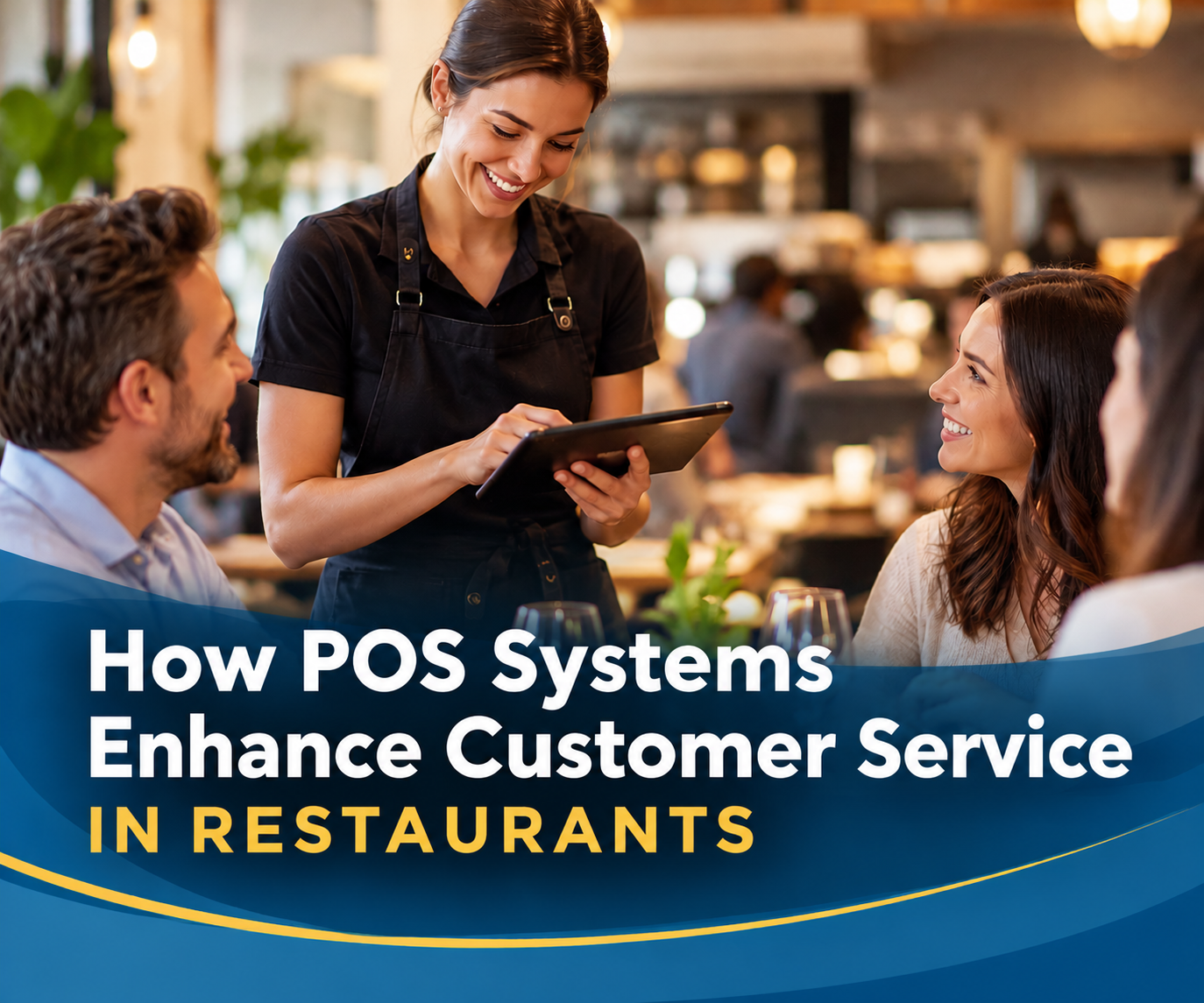
Excellent customer service can turn first-time restaurant visitors into loyal customers. Guests appreciate accurate orders, friendly employees, convenient payments, and reasonable wait times. However, outdated technology and inefficient processes can make these expectations difficult to meet. Modern restaurant POS systems help businesses deliver better experiences by simplifying everyday operations.
From order entry to payment processing, the right technology helps employees work more efficiently and provide attentive service. At Retail Systems Inc. (RSI), we help restaurants find POS solutions that support smoother operations and stronger customer relationships. Whether you operate a small café or a full-service restaurant, POS technology can improve customer service in several ways.
How Do Restaurant POS Systems Improve Customer Service?
Restaurant POS systems improve customer service by simplifying orders, reducing mistakes, and speeding up transactions. Additionally, they help employees communicate more effectively and respond to customer needs. Modern point-of-sale systems combine payment processing with restaurant management tools, creating more efficient workflows for employees.
Depending on the platform, restaurant POS systems can support ordering, inventory management, table management, and customer loyalty programs. These features help employees manage daily responsibilities while providing guests with a more convenient dining experience.
Important customer service benefits include:
Faster ordering and checkout
Improved order accuracy
Better communication with kitchen employees
Convenient payment options
Personalized customer experiences
More efficient table management
Streamlined online ordering
The right combination of features depends on your restaurant's size, service style, and operational requirements. For additional guidance, explore our article about the key features to look for in restaurant POS systems.
1. Faster Ordering Reduces Customer Wait Times
Long wait times can negatively affect customer satisfaction, especially during busy lunch and dinner periods. Restaurant guests expect prompt attention and efficient service. Fortunately, restaurant POS systems help employees enter orders quickly and communicate them to kitchen staff. Instead of relying on handwritten tickets, servers can enter orders through a touchscreen interface.
Additionally, many systems allow employees to select menu items, add modifications, and submit orders within seconds. This process reduces unnecessary steps and helps kitchen employees receive accurate information sooner. Some restaurant POS platforms also support handheld ordering devices, allowing servers to enter orders directly at the table.
Although technology cannot eliminate every delay, efficient order entry helps restaurants reduce unnecessary waiting. Consequently, employees can focus more attention on their guests while maintaining organized workflows.
2. Improved Order Accuracy Creates Happier Customers
Receiving the wrong meal can quickly frustrate restaurant customers. Incorrect orders also increase food waste, create additional work, and delay service. Restaurant POS software helps employees record orders with clear menu selections and customizable modifiers. For example, servers can enter requests for ingredient substitutions, extra toppings, or special preparation instructions.
Compatible kitchen display systems then communicate these details directly to kitchen employees. This process reduces confusion and helps everyone work from the same order information. Digital ordering can help prevent several common problems, including:
Missing menu items
Incorrect ingredient modifications
Miscommunication between employees
Duplicate orders
Unnecessary order corrections
However, employees still need proper training and attention to detail. Restaurant POS technology supports accuracy, while employees remain responsible for providing excellent service. By combining reliable technology with attentive staff, restaurants can reduce avoidable mistakes and improve customer satisfaction.
3. Kitchen Display Systems Improve Restaurant Communication
Strong communication between servers and kitchen employees supports consistent customer service. Unfortunately, busy restaurants can experience confusion when employees rely on handwritten tickets or verbal instructions. Kitchen display systems (KDS) help streamline communication by displaying incoming orders electronically. Compatible POS systems send order information directly to kitchen screens, including available modifications and preparation instructions.
Additionally, some kitchen display systems organize orders by preparation station or display ticket progress. These capabilities help employees coordinate responsibilities and manage incoming orders. For example, a kitchen display may route appetizers and entrées to different preparation areas. Kitchen employees can then review relevant instructions without sorting through unrelated tickets.
Better communication reduces avoidable confusion and supports more organized workflows. As a result, restaurants can provide more consistent service during busy periods while minimizing unnecessary delays.
4. Tableside POS Technology Creates More Convenient Dining Experiences
Mobile POS solutions allow restaurant employees to complete supported tasks directly at the table. Instead of returning to stationary terminals, servers can enter orders while speaking with customers. This flexibility reduces unnecessary movement and allows employees to remain engaged with guests. Additionally, some handheld restaurant POS devices support tableside payment processing.
Customers can review their checks and complete transactions without waiting for employees to return. These capabilities are particularly valuable in restaurants with outdoor seating or large dining areas. Tableside POS technology offers several advantages:
Faster order entry
Convenient payment processing
Fewer trips to stationary terminals
Easier order modifications
Improved employee mobility
Furthermore, mobile technology helps employees spend more time assisting customers instead of moving between workstations. Our article about the benefits of mobile POS for customer interaction explores how handheld technology supports more personalized service.
5. Flexible Payment Options Make Checkout Easier
The checkout experience often influences how customers remember their restaurant visit. Complicated payment procedures can create frustration after an otherwise enjoyable meal. Modern restaurant POS systems support convenient checkout through compatible payment processing solutions. Depending on the platform, restaurants may accept credit cards, debit cards, contactless payments, and mobile wallets.
Split billing also plays an important role in full-service restaurants. Customers frequently request separate checks when dining with friends, family, or coworkers. A restaurant POS system with flexible billing features can divide checks by guest, item, or payment amount. Consequently, servers can handle complicated payment requests more efficiently.
Additionally, some platforms support digital receipts and tableside payments. These features help restaurants accommodate different customer preferences while improving checkout convenience. Efficient payment processing also allows employees to complete transactions and prepare for incoming guests more quickly.
6. Table Management Helps Restaurants Deliver Consistent Service
Efficient table management benefits both employees and customers. During busy periods, restaurants must coordinate seating, monitor dining activity, and manage server assignments. Restaurant POS systems with table management features help organize these responsibilities. Employees can view table statuses, track orders, and identify areas requiring attention.
For example, a manager may notice several tables waiting for checks. This information helps the team prioritize customer needs and coordinate service. Additionally, some POS systems support table transfers and check reassignment, reducing confusion when seating arrangements change.
Effective table management can improve:
Seating coordination and server assignments
Communication between dining room employees
Order organization and tracking
Checkout efficiency
Overall dining room workflows
As a result, restaurant teams can provide more consistent service during busy and slower periods. Better organization also helps employees respond promptly when customers need assistance.
7. Customer Loyalty Programs Encourage Repeat Visits
Excellent customer service extends beyond a single visit. Restaurants also need ways to build relationships and encourage customers to return. Many restaurant POS systems integrate with customer loyalty programs, allowing participating businesses to manage rewards and track eligible purchases.
For example, a restaurant might offer points toward future purchases or rewards for frequent visits. Compatible POS software can help employees apply those benefits during checkout. Some platforms also support customer profiles and purchase histories, helping restaurants create relevant promotions and more personalized experiences.
However, businesses should respect customer privacy and obtain appropriate consent before collecting or using personal information. A well-managed loyalty program complements excellent food and attentive service. Together, these efforts help restaurants build stronger customer relationships and encourage repeat business.
8. Online Ordering Integrations Improve Customer Convenience
Restaurant customer service now extends beyond the dining room. Customers increasingly interact with restaurants through websites, mobile ordering platforms, and delivery services. Managing these channels separately can create confusion and unnecessary work. Fortunately, compatible restaurant POS integrations help centralize order information and simplify daily operations.
For example, online orders can enter the restaurant's POS workflow without requiring manual reentry. This process reduces transcription errors and improves communication with kitchen employees. Additionally, integrated systems may support pickup management, delivery platforms, menu synchronization, and digital payments. However, available capabilities vary between POS providers and third-party platforms.
Restaurants should also confirm how integrations handle order modifications, refunds, and unavailable menu items. Businesses exploring flexible ordering technology can read Mobile POS Solutions: A Game Changer for Small Businesses for additional insights.
9. Real-Time Reporting Helps Restaurants Identify Service Problems
Improving restaurant customer service requires more than employee feedback. Restaurant owners also need reliable information that helps identify operational challenges. Many restaurant POS systems provide reporting tools that track sales, transactions, and employee activity. Some platforms also measure preparation times and other operational metrics.
For example, managers may identify recurring delays during specific dining periods. They can then review staffing levels or kitchen workflows to investigate possible causes. Additionally, transaction reports can reveal patterns in refunds, voids, and discounts. These insights may help restaurants identify processes that need improvement.
Restaurant owners can use POS reporting to evaluate several areas:
Peak dining periods and transaction volume
Order preparation and service times
Refunds, discounts, and voided transactions
Employee activity and labor efficiency
Sales patterns across different menu items
Real-time reporting supports more informed decisions about daily operations. However, managers should combine POS data with customer feedback and employee observations. Together, these sources provide a more complete picture of restaurant performance and customer satisfaction.
10. Employee Training and POS Usability Affect Customer Service
Even advanced restaurant technology can create problems when employees struggle to use it. Therefore, ease of use should remain an important consideration when choosing POS software. An intuitive restaurant POS interface helps employees navigate menus, enter orders, and complete transactions. Additionally, consistent workflows can make training easier for new team members.
Restaurant managers should evaluate how employees perform common tasks during a POS demonstration. These tasks might include entering special requests, splitting checks, applying discounts, and correcting orders. Clear employee permissions can also help prevent unauthorized changes and reduce operational confusion.
At RSI, we provide POS installation and training services to help businesses implement their selected systems. Our team members understand the importance of preparing employees to use restaurant technology effectively. As restaurants grow, employee training and technology requirements often become more complex. Choosing scalable POS solutions can help businesses accommodate additional employees, devices, and locations.
How RSI Helps Restaurants Improve Customer Service
Every restaurant operates differently. A quick-service restaurant may prioritize transaction speed, while a full-service restaurant may need advanced table management. At Retail Systems Inc., we help businesses evaluate POS solutions based on their operational requirements. Our team works with clients to identify technology that supports their service style and business goals.
We offer several restaurant POS options, including SpotOn POS, SkyTab POS, Heartland Restaurant POS, and POSitouch. Available features vary by platform, configuration, and service package. Additionally, our team provides installation, training, and technical support services to help businesses prepare for implementation.
Choosing the right POS provider can make restaurant technology decisions easier. More importantly, selecting suitable features helps employees deliver better customer experiences. Our goal is to help businesses find practical solutions that support efficient operations and long-term growth.
Better Restaurant Customer Service Starts With the Right POS System
Restaurant POS systems do much more than process payments. They help employees manage orders, communicate with kitchens, track tables, and complete transactions efficiently. Additionally, mobile POS technology and customer loyalty integrations create opportunities for more convenient and personalized service.
However, the best restaurant POS system depends on your business's specific needs. Restaurant owners should evaluate service workflows, available features, integrations, and support before making a decision. At RSI, we help restaurants explore POS solutions that support efficient operations and excellent customer service.
Visit Retail Systems Inc. to learn more about our POS offerings and contact our team.
Frequently Asked Questions About Restaurant POS Systems and Customer Service
Restaurant owners often want to know how POS technology can improve daily operations and customer satisfaction. Understanding the available features helps businesses select solutions that meet their needs. Below, we answer common questions about restaurant POS systems and their impact on customer service.
How does a POS system improve restaurant customer service?
Restaurant POS systems simplify order entry, payment processing, and communication between employees. Additionally, mobile ordering and table management features can reduce delays and improve convenience. These capabilities help restaurant teams deliver more consistent service.
Can restaurant POS systems reduce order mistakes?
Yes. Digital ordering and kitchen display integrations can reduce errors caused by unclear handwriting or verbal communication. Employees can enter detailed modifications and send instructions directly to kitchen staff. However, proper employee training remains important.
Do restaurant POS systems support tableside payments?
Many restaurant POS systems offer compatible handheld devices for tableside payment processing. Customers can review their checks and complete transactions without waiting for a stationary terminal. Available features depend on the selected POS platform and hardware.
Can a POS system help restaurants manage customer loyalty programs?
Yes. Many POS platforms support loyalty programs or integrate with third-party rewards software. Restaurants can use these tools to manage eligible purchases and encourage repeat visits. Some systems also support customer profiles and personalized promotions.
How do restaurant POS systems reduce wait times?
POS systems streamline order entry, kitchen communication, and checkout. Additionally, mobile POS devices allow employees to complete supported tasks without returning to stationary terminals. These improvements can reduce unnecessary delays throughout the dining experience.
Are restaurant POS systems useful for small restaurants?
Yes. Small restaurants can benefit from efficient payment processing, order management, and sales reporting. However, owners should choose features that match their budget and operational needs. Scalable solutions may also accommodate future business growth.
How can RSI help restaurants choose a POS system?
At RSI, we help restaurants evaluate POS options based on their service style and business requirements. Our team also provides installation, training, and technical support services. We help businesses identify practical technology solutions that support efficient operations and customer satisfaction.
Get Your FREE POS Analysis from RSI
Is your current POS system meeting your business needs? At RSI, we help businesses find technology that improves efficiency, simplifies operations, and supports growth. Whether you're upgrading your existing system or exploring new options, our team is ready to help.
Request your FREE POS analysis today! Complete our online contact form or call us toll-free at 1-800-849-5642. Let RSI help you find the right POS solution for your business!